Monday, July 15, 2013

Napoleon Surrenders

The French. Today, many people see them as lame, pastry-eating losers. They are viewed as a people so apathetic, that they will never take up arms and fight. Unless, of course, the chef messes up their food.


 "Imbécile! My soup! It is cold!"


That pretty much covers the modern American view of the French. A country so lame that there is no way a normal human being can find any positive thing to say about them. Well, today, I'm going to try! Say what you will about present day France, but no one can deny them of their rich history filled with figures who at all times were ready for a little brawl. Their names live on to this day, not only in France, but in the world as a whole.
Marquis de Lafayette!
St. Joan of Arc!
Charles de Gaulle!
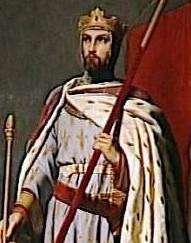
King Louis VII!
Cpl. Louis LeBeau!
Lumiere!

OK, so maybe not that last one. But the point is, France has had its fair share of great military minds. Soldiers who in good times, and in bad, fought for the glory and honor of France. But no list of French historical figures can be complete with out including one man. A man who was both larger than life and smaller (chuckle) than life at the exact same time. That man is none other than Napoleon Bonaparte.
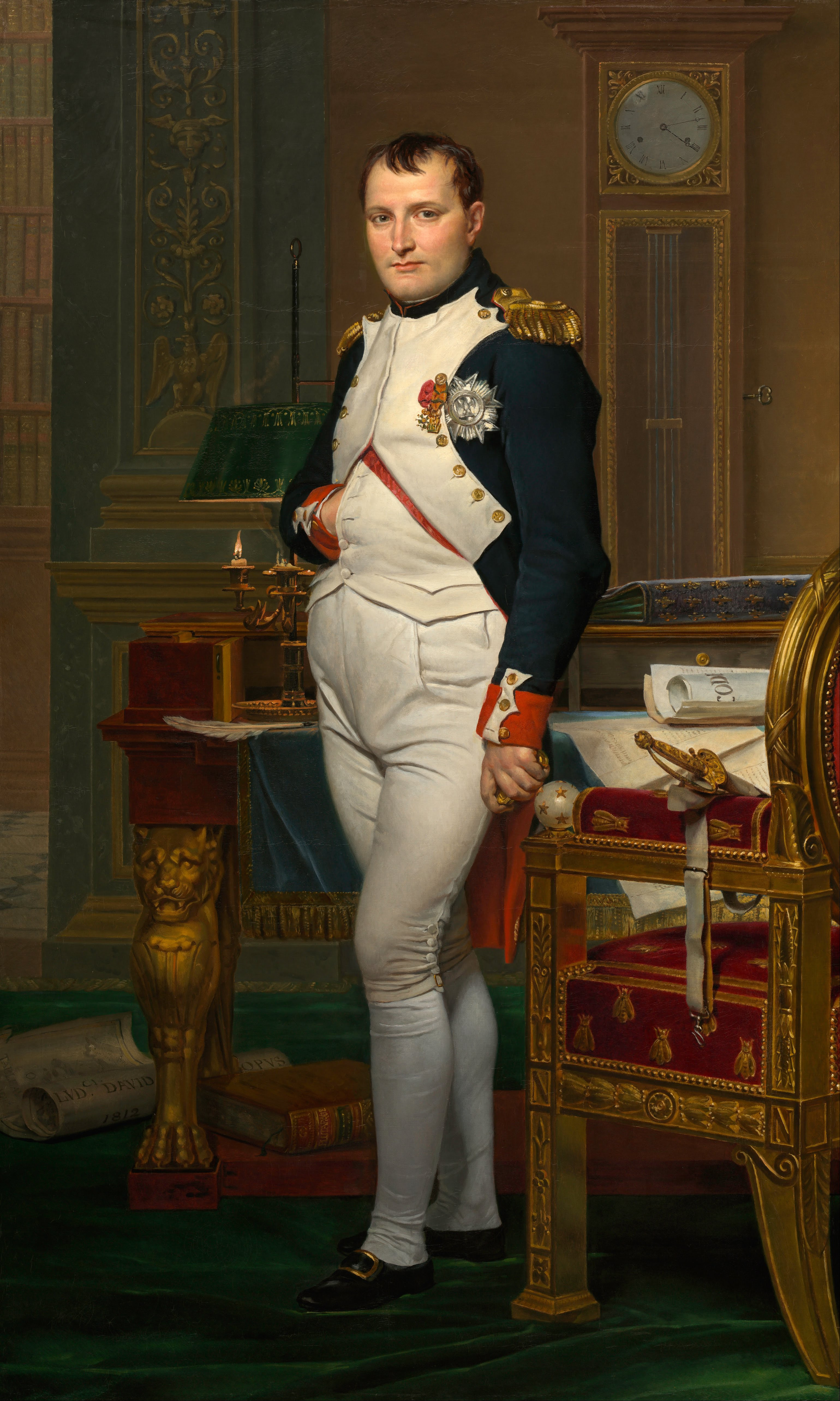
Napoleon giving rise to the age old debate: What the heck is he grabbing in is jacket?

For those of you who may be unfamiliar with our new friend Napoleon, I will now give you a little background. on the world he came from


For centuries, France had been ruled by an absolute monarchy. That is to say, the monarchy ruled.......absolutely. The king, much like the good citizens of Gotham City in The Dark Knight Rises, could do as he pleased. There was no one there to stop him. Then 1789, a slight incident occurred. An incident known as the French Revolution. Spurred on by the revolution in America, the French people sought to rid themselves of the king once and for all, and replace the monarchy with a system of government run by the people. They were successful! The people took control of the country! And by people, we really mean one person. One crazy, bloodthirsty, S.O.B.
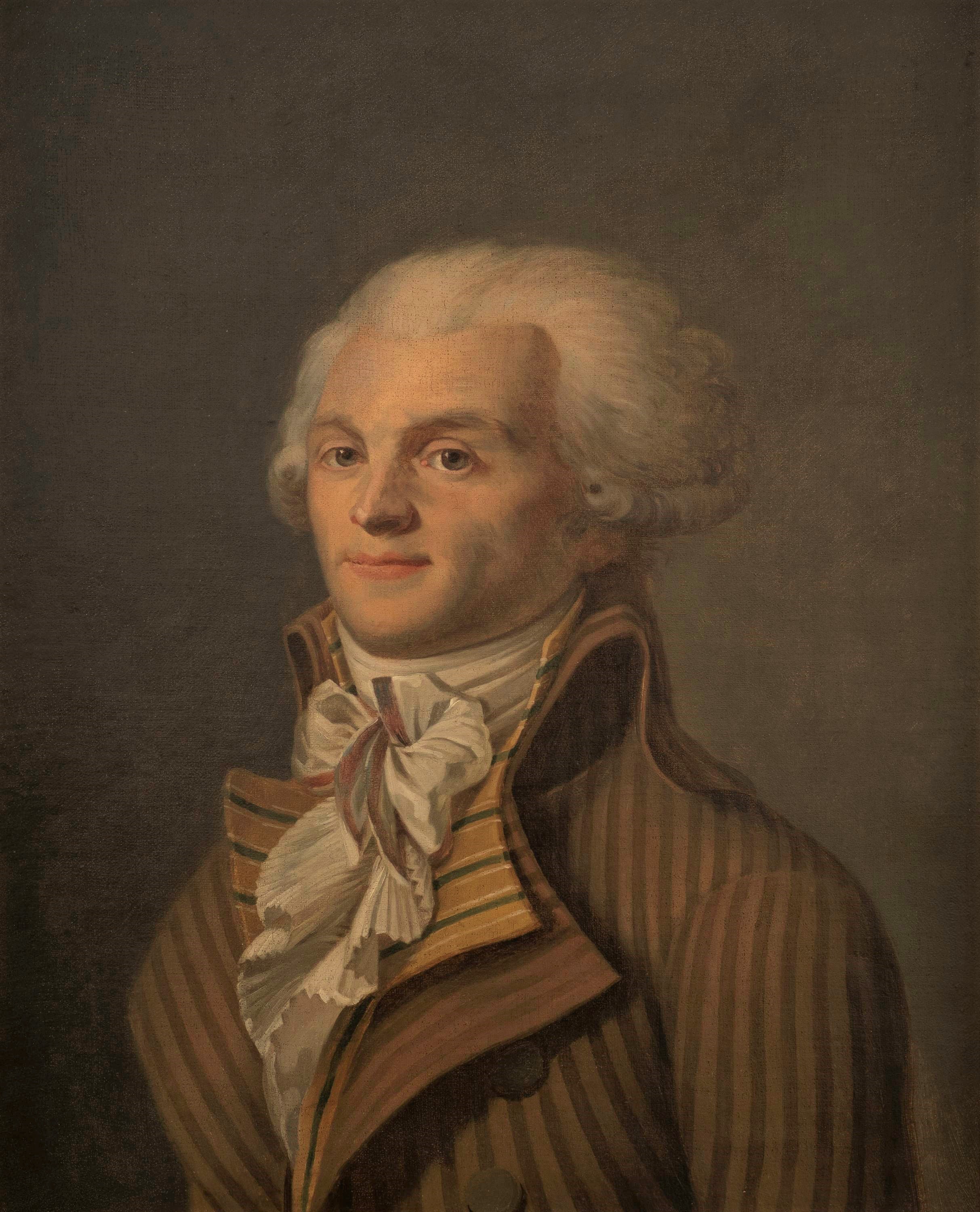
Maximilien de Robespierre: Nightmare fuel for Count Dracula

By 1793, Robespierre had executed King Louis XVI and his entire family, and had begun a purge of France. Any person remotely associated with the monarchy was put to the guillotine, and France became engulfed in what would later be known as the "Reign of Terror". The French people got a little relief the following year, in the sense that Robespierre was himself executed by his rivals for his hand in the bloodshed. Despite the fact that France had withstood the brutal storm of Robespierre, the clouds still hung overhead, taunting the little people below with an ever present danger. A fragile republic was formed, but the country's future looked bleak.
Essentially the state of the French Republic. Minus the leg lamp.

From this chaos arose a leader. A leader who would build France into the world's mightiest nation. That brings us back to Napoleon. He had been an officer in the French army. He had even partaken in the Revolution. And going into 1800, he was probably the only competent soldier in France. He had lead a few successful expeditions, notably into Egypt, in an attempt to build clout for France. With his military success, Napoleon began to build himself up in the eyes of the French people. He became more and more popular, and the government became more and more bankrupt. With in a few years, Napoleon was in prime position to take over France, and the people were calling for it. But he needed an excuse. That excuse came when his political opponents plotted to assassinate him. Claiming that he and he alone was looking out for the best interest of France, unlike his rivals who wanted the greatest Frenchman dead, Napoleon reestablished the monarchy, with himself in charge. He even forced the pope to crown him emperor. Like all good dictators, Napoleon used his new found powers for good. And by good, I mean invade all neighboring countries and start an international war which would claim countless lives (see WWII).
So yeah, that's Napoleon's background. By1804, he became dictator of France, and started the Napoleonic Wars. At first, the war went extremely well for Napoleon and his allies.
The Battle of Austerlitz: Proof that it doesn't take divine intervention for France to win a battle

Napoleon was able to dominate much of Europe early in the war. He seemed unstoppable, and it looked like there was no way any country could stand up to him. And then Napoleon failed "Being a Dictator 101". And it wasn't because his professor was a tough grader. He broke the cardinal rule of warfare in Europe, a mistake that would be made by another certain scumbag almost 150 years later. He invaded Russia without proper winter clothing. Expecting a quick victory, Napoleon went into Russia. Unfortunately for him, the campaign stalled, and his men were left poorly clothed and poorly equipped. After a brutal struggle, Napoleon was expelled from Russia. His empire would never be the same.
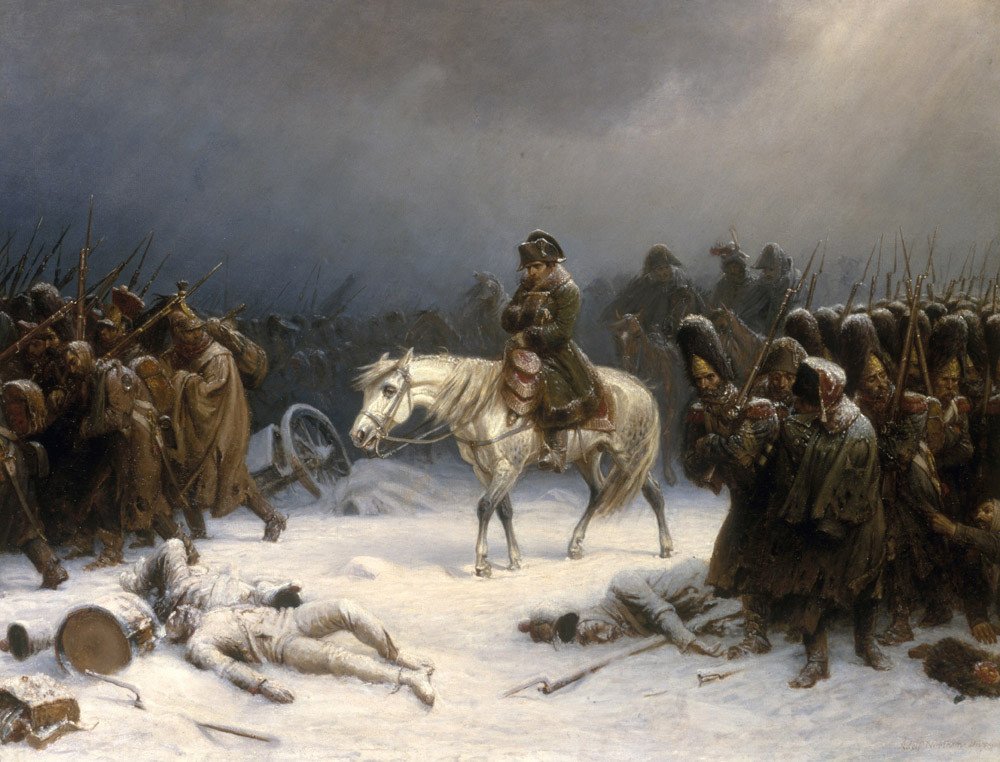
"I'm sure no one will ever make this mistake again!"

After his loss in Russia, Napoleon's enemies were emboldened to act against the emperor. A large coalition was formed with the expressed purpose of  defeating his army. Suffering from his loses in Russia, Napoleon was defeated and exiled to the island of Elba in the Mediterranean. For most historical figures, that would have been the end. But not Napoleon. He was put on the earth for the sole purpose of causing drama. And that's just what he did!

His enemies made the mistake of giving him sovereignty on the island. Able to rule his new country, he developed an army and navy, and within a year, he escaped Elba and returned to France to reclaim what he believed was his.
He's baaaaaaaaaack!

The French military almost instantly accepted his return as the return of the emperor. Upon arriving in Paris, he once again ruled over France. His return to the throne, however, was short lived. After hearing about Napoleon's return, his British and Prussian enemies sought to remove him from power. Never one to sit and wait for a battle, Napoleon amassed his army and lead them to meet the enemy. The two forces met near the town of Waterloo in Belgium.

Despite the fact his troops were outnumbered, Napoleon was sure he would find victory, and maybe rid himself of his foes once and for all. Confident, Napoleon engaged the British-Prussian soldiers on June 18, 1815. And as any good historian will tell you, Napoleon used his superior tactics and skill to win a huge victory for France.
Hail! To the victor valiant!

Oh. wait. That's totally not what happened. Napoleon made several blunders during the battle, which led to the destruction of his army. Of the 72,000 he brought into the battle with him, 51,000 were killed, wounded, or captured.
Waterloo. Bloody battle. Made Napoleon refer to Russia as the "good old days"

After returning to Paris, he found that the French legislature had turned against him. Around the same time, he got word that the Prussians had orders to take him dead or alive. Napoleon felt the world closing in. Panicked, he abdicated the throne to his son, and fled to the coast, where he had hopes of escaping to the United States. But when he got there, he found that the British navy had blocked every port. At this point, not even Houdini could escape. Napoleon was trapped, and he had no choice but to surrender.
And so on July 15, 1815, surrender he did. For his punishment, he was exiled to the island of St. Helena in South America, far away from France, and far away from where he could create more chaos. It was on St. Helena that he died on May 5, 1821, only a shell of his former self.
Back in France, as any musical fan will tell you, the country struggled in the post Napoleonic world. They continued to have class problems, and poverty ran high. To make matters worse, the government began appointing psychotic policemen who hunted people down for stealing loaves of bread.
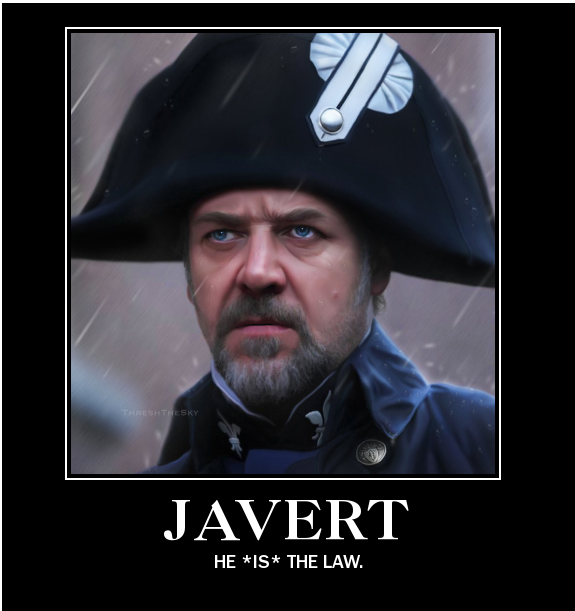
"Do not forget my name! Do not forget me!"

So that's the quick story of Napoleon, whose downfall was completed 198 years ago today with his surrender aboard a British ship. He is one of history's most notorious figures, and he proves one thing; the French certainly CAN fight, if they feel like it.


P.S.: Throughout history, a lot has been made about how short Napoleon was. While he was 5'7", certainly what we could consider short today, for his time he was actually of average height.

P.P.S.: The Napoleon pastry actually is not named after him. It is named after the city of Naples in Italy.

P.P.P.S.: Napoleon never had Red Bull. Sorry to ruin that for you.


Friday, July 12, 2013

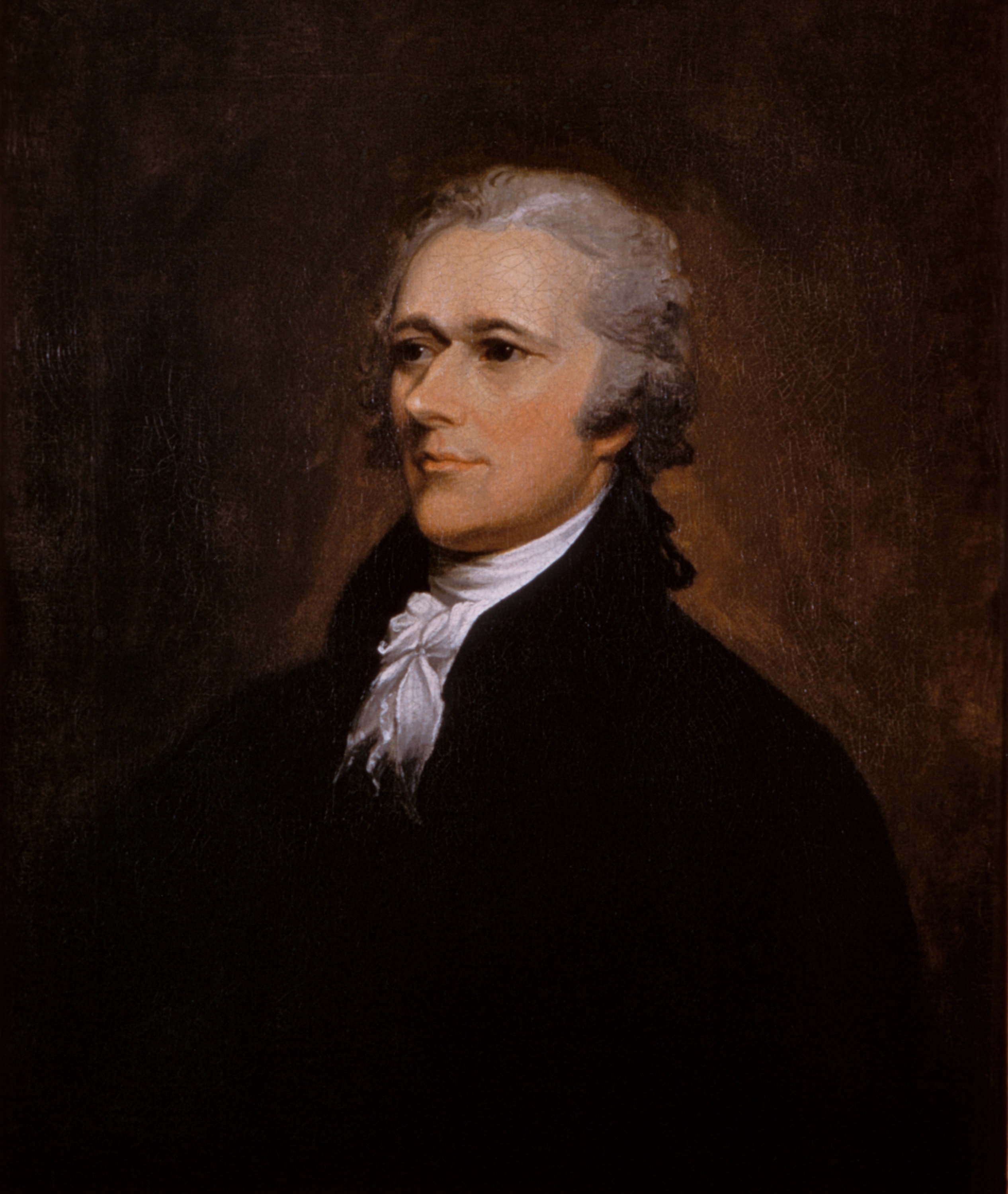
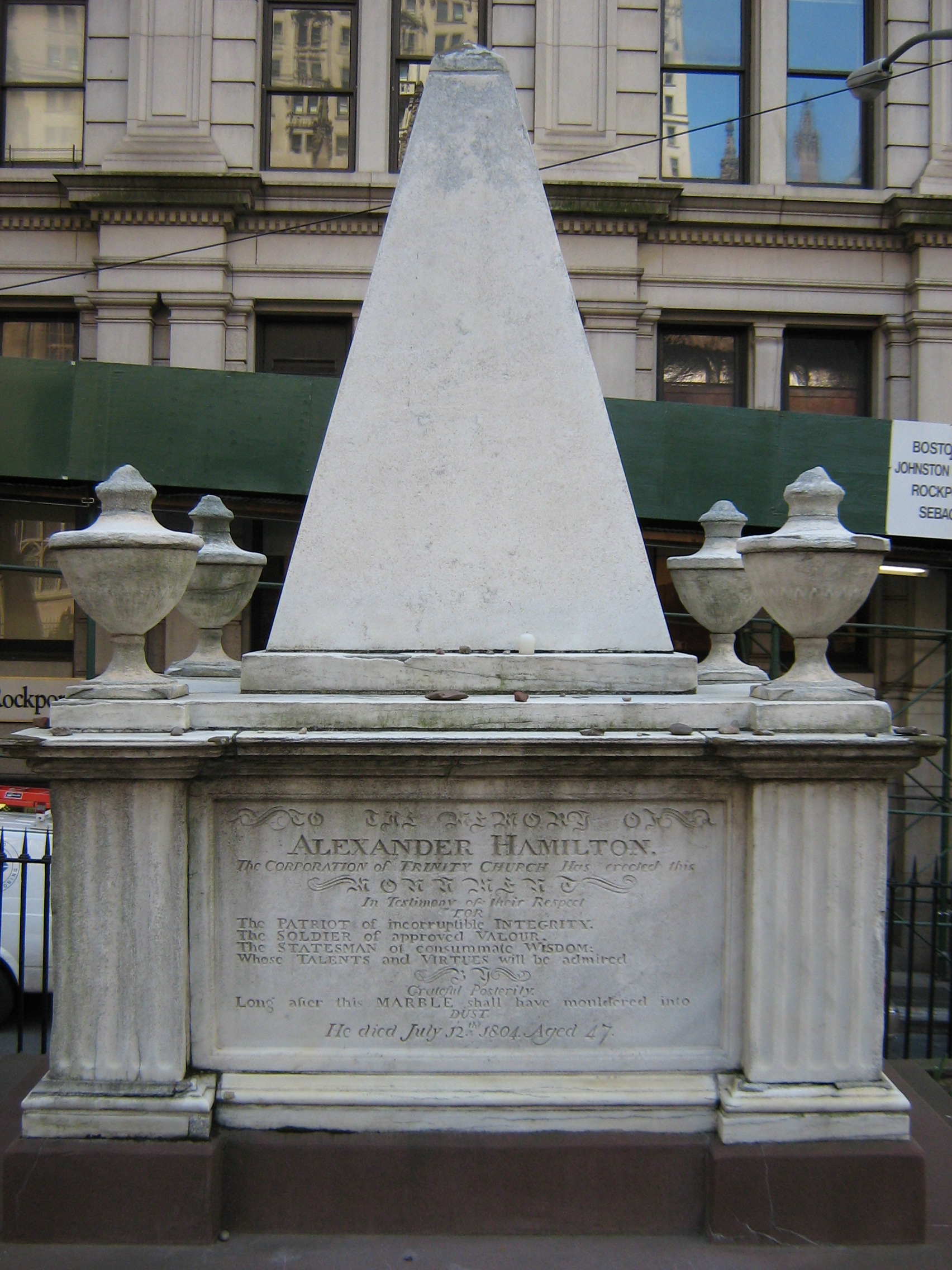
Alexander Hamilton: R.I.P.

A moment of silence please.......

Alright, now onto business......Why did we do a moment of silence you ask? Well, I'm glad you did! Today, I will be honoring a truly great historical figure. A man who helped shape our country into what it is today. That man is none other than......
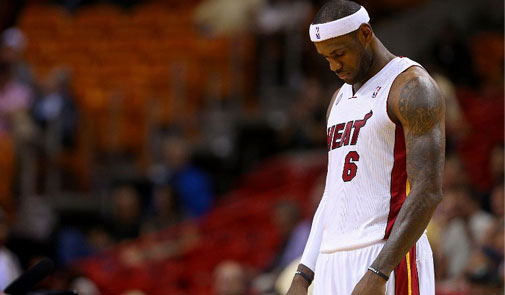
"Me?!?!?!?"
No, LeBron, it still isn't, and probably never will be you. I'm referring to the one and only Alexander Hamilton. The first Secretary of the Treasury.
The man. The myth. The Legend

Why Hamilton you ask? Well, that's easy. Today is the anniversary of his death.

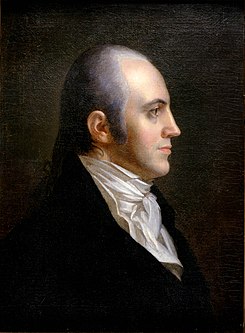
I know very sad. On this day in 1804, Alexander Hamilton died from wounds he received while participating in a duel the previous day with his long time rival, Vice-President Aaron Burr.
Boo!
As weird as it might seem, people were in fact actually named Aaron that long ago. And yes, duels were a common part of life. At least for the true gentlemen. The root of their duel was, well, slightly ridiculous.
The two men hated each other. It started when Burr defeated Hamilton's father-in-law in the New York senate race. But it really picked up during the heated 1804 New York gubernatorial election, where Burr (running despite the fact he was VP), lost to Morgan Lewis, the candidate supported by Hamilton.
Winning!
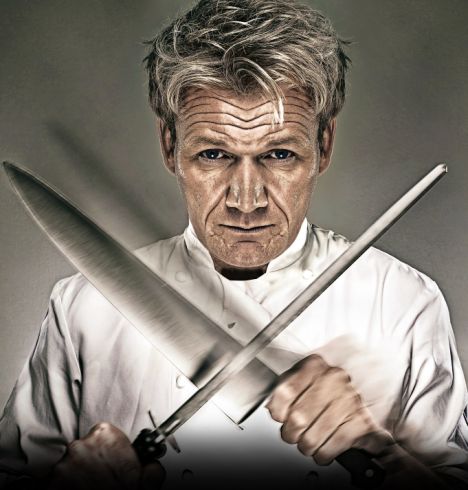
Anyway, Hamilton and Burr had engaged in many heated exchanges, which continued after the election. Their feud came to a head at a dinner party, where Burr felt Hamilton had slighted him. The mood was so awkward at the table, even Gordon Ramsey would have felt uncomfortable.
And that's saying a lot.

With all other reasonable avenues exhausted, the two agreed to a duel. How else were two gentlemen supposed to solve their differences?
I don't know about you, but this would have solved any issues I have with a person.

Unfortunately, such was not the case for our bff's Hamilton and Burr. They needed to duel, and duel they did. At dawn on July 11th, they met on the banks of the Hudson River in New Jersey to settle their score. Each was armed with a flintlock pistol, and a backwards sense of honor. According to the accepted practice, they should have fired a warning shot at each other, just to prove they were both man enough to accept the duel, and die if necessary. No one was actually supposed to get hurt.

Shooting first, Hamilton's shot sailed directly over Burr's head, almost striking him. Unfortunately for Hamilton, he wasn't a very good shot.  He probably would have been the first person eliminated from Top Shot.
"Sorry, Alexander. You have fired your last shot in this life."

While he was aiming to miss, he barley missed, prompting Burr to think he was shooting to kill. In response, Burr aimed directly at Hamilton and fired.......and hit! Right in the ribs!
"Oh yeah!"

So Hamilton was rushed to get medical attention, although it didn't do him any good, as he died the next day. Burr was never convicted of murder, and was allowed to finish his term as vice president. The Burr-Hamilton duel remains one of the oddest events in American history. To have two high profile political figures participate in such an event is flabbergasting to most modern people. It would be like Joe Biden and Rand Paul taking shots at each other. Not with words, with bullets. But that's how it was back then, and if there's one thing you should never do, its apply modern logic to old events. It's like pounding your head against a brick wall. I'm not saying it's OK, it's just how it was.

And so was the death of Alexander Hamilton. He died 209 years ago today, but he is not forgotten.

Rest in peace buddy.


P.S.: Have you ever noticed how certain people always refer to money as being "dead presidents"? Well, Hamilton thankfully disproves that atrocious statement.

Take note: Not a President 


Thursday, July 11, 2013

Today in History July 11th

As we all know, history is a very wide reaching subject. By definition, any event that occurred in the past instantly becomes historical. Some events are major, like the signing of the Declaration of Independence.
 Imagine: a government entity actually getting something done.

However, many events in history are relatively minor. They really have very little impact on the world as a whole, and usually get overlooked. Despite their "minor" significance, they still are worth mentioning. Today, I will look at one such event.

Today's event deals with one of America's most beloved sports figures. He is a man who transcended the game, becoming more than just a player; becoming a legend. He inspired a generation of American youth to get outside and play.
"Thank you. Thank you. You're too kind"

Um, no LeBron. It isn't you. Any other guesses?
Nope!
Absolutely not!
Getting warmer. But still no. Any other guesses?
Ewwwww. Gross. Think of an older player.
Almost! Here's a hint: he was known mostly by his nickname.
"King James?"
No LeBron. Still not you. Alright, in the interest of saving time, I'll just tell you. It is the one and only Babe Ruth.
Not the candy bar
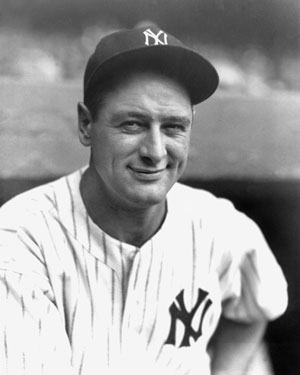
This guy!!!

That's right! On this day in 1914, George Herman "Babe" Ruth made his major league debut with the Boston Red Sox. As I'm sure anyone could tell you, he developed into one of baseball's pioneers, becoming the game's first real power hitter. By the end of his playing career, he had accumulated 714 home runs, 2,873 hits, and a .342 batting average. His great hitting even earned him other nicknames, among which were the "Sultan of Swat" and the "Great Bambi"
"That whimpy deer?"
Sorry. "Great Bambino". What's even more impressive is that Babe Ruth started off as a pitcher! He was so good at hitting, he was eventually moved to outfield so his bat could be utilized to its full potential.

In a career that spanned 21 seasons, Ruth played for the Red Sox, New York Yankees, and Boston Braves, winning 7 world series and 12 American League home run titles. Inducted into the Hall of Fame the year after his retirement, Babe Ruth was the best player of his era, arguably of all time. He was vital in making baseball America's past time, and was crucial in making the MLB one of the most popular leagues in the country.

So there you have it; 99 years ago today, Babe Ruth played his first MLB game, and changed the face of baseball, and sports, forever.

So no LeBron, you're not the best athlete.
"Awwwww man!"
That honor belongs to this fellow!
Cooler than LeBron

Wednesday, July 10, 2013

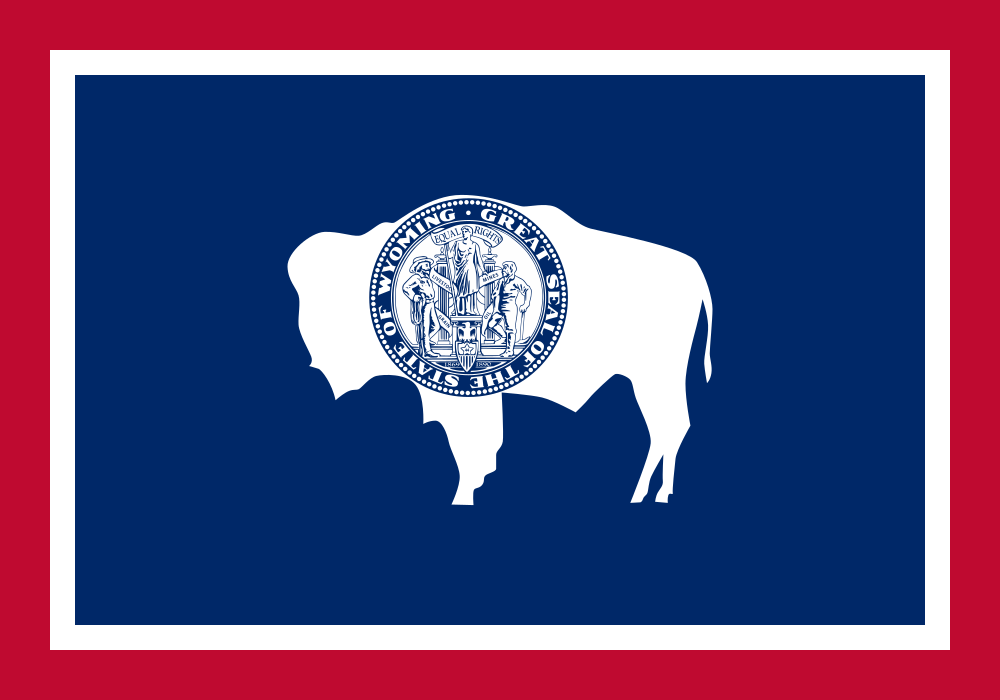
A Brief History of the State of Wyoming

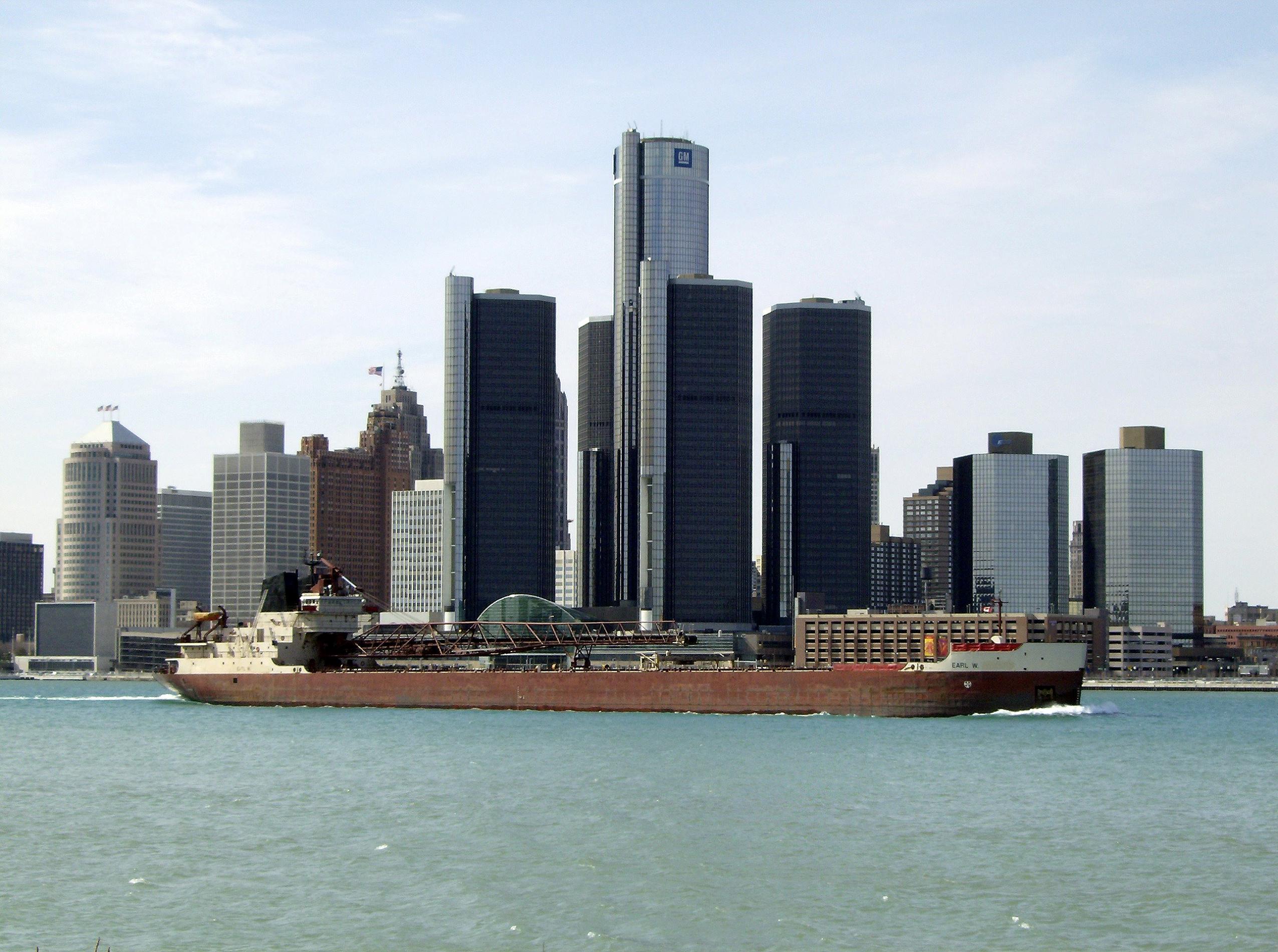
We are a nation of many states. In fact, when our country was first founded, citizens had more loyalty to their states than to the country as a whole. People were actually willing to go to war to prove their state was the best. For example, Michigan and Ohio went to war over who would be able to claim the port of Toledo
Clearly Ohio lost
The point of this is that Americans always want their things to be the best, including their states. Someone from California is going to say California is the best, some one from Texas is going to say Texas is the best, and someone from New Jersey is going to say New Jersey is the best while secretly keeping an intricate wall of escape routes in their basement.
Yes, every state has its fair share of people who claim it is the best, except perhaps for one: Wyoming. Perhaps because it has the smallest population, or perhaps because people think nothing of any significance or excitement ever happened or will ever happen there, Wyoming has been cast aside, easily forgotten by most people out east. In fact, many people probably get it confused with Colorado!
Long lost twins
However, that is truly not a fair legacy! Sure, Wyoming may have the smallest population in the country. True, there are likely more cattle than people. Yes, it is easier to get elected to the US Senate from Wyoming than the House of Representatives. But Wyoming is a state filled with a rich history. A history which should be remembered. Let's take a look at the history of Wyoming.
 9,000 BC:
The first prehistoric people enter Wyoming from what is now the state of Montana. After their long journey, they are disturbed to learn that Wyoming's expressways don't have any rest areas.
1000:
Wyoming is full of countless Indian tribes; The Lakota, Cheyenne, Arapaho, Bannock, Crow, and many others call the vast rolling plains and mountains of Wyoming home. Like all good tribes, they hunt buffalo, gather fruits and vegetables, and meet every Wednesday at 8/7 central to vote a member off their tribe.
1807:
John Colter, the first white explorer to enter Wyoming (as part of the Lewis and Clark Expedition) discovers the Yellowstone Valley, taking note of the thermal and geyser activity, marveling at the rich lushness of the valley with its clear blue rivers and green, forest filled hills, and wondering why the heck there are a bunch of Japanese people taking pictures of a squirrel in a tree.
1830s:
The Oregon trail brings thousands of people through Wyoming on their way to the Pacific coast. Sadly, many pioneers swamp their wagons when they try to ford the river when they should have caulked the wagon and floated, causing them to lose 5 10lb bags of flour, 3 pounds of bacon, 4 boxes of 20 bullets, and 1 banjo.
Oops.

1867:
The Union Pacific Railroad reaches Wyoming, boosting the population, and creating some of its largest cities, like Cheyenne with a population of 91,000, Laramie with a population of 31,000, and Emblem with a population of 10.

July 25th, 1868:
Wyoming becomes a territory. Residents quickly discuss the possibility of statehood, but are shot down when Washington DC informs them that they need more than 7 people to become a state.

 1869:
Wyoming becomes the first state or territory to allow women to vote in their elections, ending the long held stereotype that only rich, successful men could vote in elections, partially because Wyoming didn't have any of those.

March 1st, 1872:
Yellowstone National Park is created through an act of Congress, hoping to set a an area aside which could be free from the encroachment of all the settlers who were sure to flock to Wyoming. They later admit they may have jumped the gun on that one.

1876:
The Black Hills War is fought on the northeastern boarder, started by Indians who were very unhappy that they wasted two hours of their lives driving miles and miles off the main road to see Devil's Tower, which the Tourism Bureau insisted was one of the most amazing natural features in the world.
Seriously, don't waste your time

July 10th, 1890:
Wyoming is admitted to the Union as the 44th state.
Yay!


May 19th, 1899:
For the first time ever, an average person out east becomes vaguely aware that Wyoming was admitted to the Union as the 44th state.

1924:
Nellie Ross is elected governor, making her the first female governor in the Union. She is beloved and well respected by all the people in Wyoming and.......wait what? She supported prohibition you say!? let's get this lady out of here!

1941-1945:
Wyoming plays a key role in World War II, housing German and Italian POWs as well as many secret airfields. The government is confident that these facilities will be secure partially because why on earth would any spy want to go to Wyoming?

January 20th, 2001:
Former Wyoming Representative Dick Cheney is sworn in as Vice President of the United States, thus fulfilling the dream of every single person from Wyoming: getting the heck out of Wyoming.

July 10th, 2013:
Wyoming celebrates its 123rd birthday. All jokes aside, Wyoming is actually a very great place with a rich history. You ought to check it out for yourself! You may be surprised! And remember, at the end of the day, it isn't New Jersey.

So happy birthday Wyoming. I'll leave you with a picture of a cake large enough to feed your whole state!
Bon Appetite!

Tuesday, July 9, 2013

Battle of Monongahela

For today's post, I'm going to analyze a forgotten battle of a forgotten war. Which, to most Americans, means a battle from a war that wasn't World War Two. This one comes to us all the way back from the French-Indian War in 1755.
"Indian?! Excuse me?!"

Oops. Sorry. "French-Native American War". Any way, the battle in question from the previously mentioned war is the one and only Battle of Monongahela, in what is today Braddock, Pennsylvania, a few miles away from Pittsburgh.

Anyway, Monongahela marked one of the first major conflicts between France and Great Britain for control of colonial North America. I know, shocking! France and Great Britain fight? Never? Does France even have an army?

Well, 1755 was way different than 2013. Europe was an interesting landscape. Great Britain and France were the big boys, while Spain was waining in power and Germans were too busy yodeling and wearing leaderhosen and drinking large steins of beer to be a country.
"Ja! It's true!"

So anyway, like all good 18th century European rivals, the two lovebirds were willing to go to war at the drop of a hat. And the cause? Why, that would be land! What else? For those geographically challenged, France held the Great Lakes, while Great Britain held the east coast. Their borders met in what is today Pennsylvania, then known as Ohio Country (not to be confused with the state of Ohio). Anyway, the war actually started 1754 when Virginia believed France was moving in on its territory, building a fort in modern day Pittsburgh. They didn't like that. Not. One. Bit.

Um. Guys. Are you sure you actually want this?
"Yes!"
Um. Really?
"YES!!!"

Alright, so in the first and last example in history of someone actually wanting to go to Pittsburgh, the government in Virginia sent a band of troops, led by some obscure random guy named Washington, to get the French to leave. Long story short, the Virginians got routed, and Washington was sent back to Virginia in defeat where he lived out the rest of his life in obscurity. Oh wait, no he didn't. But that's another day.

Now, back to the matter at hand; let us fast forward one year to 1755. Great Britain was furious. They would not let France make them the laughing stock of the world. Only they could do that! So in 1755, they called in their all-star general Edward Braddock to force the French out of Ohio Country.
Edward Braddock......The most undeserving "all-star" till Alex Ovechkin

So Braddock took a large band of Virginia militia-men, with his aide, that Washington guy, into the Ohio Country to fight the French, and expel them from Fort Duquesne. Through the door or out the window! And they thought they would win. After all, they were fighting the French.
"Sacre bleu!"
One thing Braddock wasn't planning on was the presence of French allies, many fierce tribes of Indians.
No. Not those Indians.
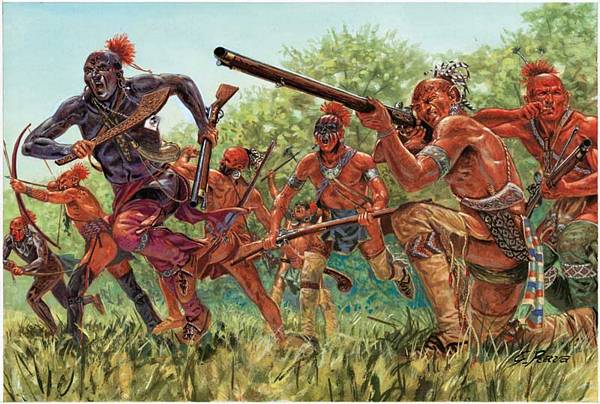
These Indians.
With their Indian allies, the French were confident that they would halt the British advance before it got started. After fighting a series of very brief skirmishes, the two forces met in force on July 9th along the Monongahela River. In one corner, the British had about 1,300 soldiers. The French had less than 1,000, including their Indian allies. Despite their disadvantage, the French were actually able to win the battle.
"Whaaaaaaat?"
I know! The French actually won a battle! And here's how they did it:
  1. The battle took place on Indian hunting grounds, allowing them to use all terrain to their advantage
  2. Despite the fact the British were initially successful in turning the French back, even killing one of their officers, they were not ready for a full battle
  3. The Indians used psychological warfare to scare the day lights out of the British, so they ran quickly
  4. Braddock was a muppet
A Muppet

Under fierce French attack, the British held for a few hours, slowly pulling back away from their enemies, suffering many casualties along the way. Braddock, for his part, did almost nothing to try and win the battle. He tried "rallying" the troops, which in the 18th century, meant "men, form a shield in front of me! Protect me!" The militia did as they were told, but the battle was clearly lost, as the Indians knew the ground. Hundreds of British soldiers became casualties while Braddock failed to act. The battle was eventually ended when Braddock was shot and killed, prompting his men to leave. In the aftermath, that Washington guy learned from this battle, and eventually took that knowledge with him when he became the greatest man of his generation, leading the fledgling US to a victory over Britain in the Revolutionary War. The French maintained control of Ohio Country, putting Britain's grand plans for victory on hold. The city of Braddock, Pennsylvania had the unhappy distinction of bearing the name of the muppet.

And for the first and only time in history, Detroit didn't lead the country in firearm deaths.

"Hell Yeah! Thanks Pittsburgh!"

And so was the Battle of Monongahela. July 9th, 1755, 258 years ago today. A battle long forgotten......until now!